






Invacare Hospital Bed Instruction Manual: A Comprehensive Guide
Invacare consistently releases financial reports, emphasizing quality system improvements and operational results; setup requires a qualified technician, with updated manuals available online at www.invacare.com.
Invacare hospital beds represent a commitment to patient care and caregiver support, offering a range of solutions designed for acute care facilities and home healthcare settings. These beds are engineered to enhance patient comfort, safety, and independence, while also streamlining workflows for healthcare professionals.
Throughout the years, Invacare has consistently focused on quality and innovation, reflected in their financial reports and ongoing improvements to their quality systems. The company’s dedication extends beyond product development to include comprehensive support resources, such as detailed instruction manuals and readily accessible online documentation at www.invacare.com.
Proper setup and operation are crucial for maximizing the benefits of an Invacare hospital bed. Initial setup must be performed by a qualified technician to ensure correct assembly and functionality. This manual provides a detailed guide to understanding your bed’s features, operating its controls, and maintaining its performance. Remember to register your product and have your model number and purchase date available.
Understanding Bed Models and Series
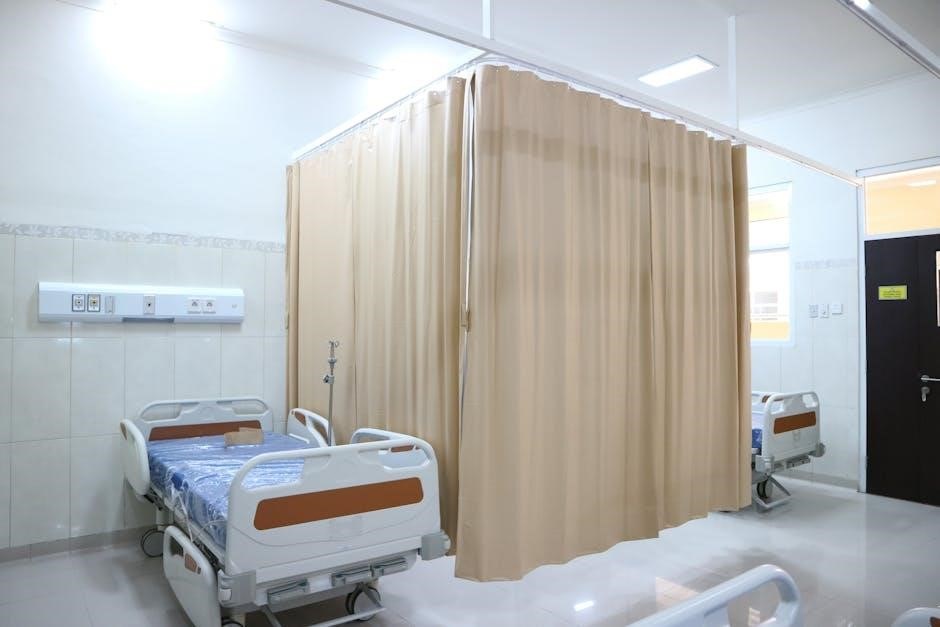
Invacare offers a diverse portfolio of hospital beds, categorized into various models and series to meet specific patient needs and care environments. While this manual provides general guidance, it’s crucial to identify your specific bed model for accurate instructions. Refer to the product label or accompanying documentation to determine your bed’s series.
Invacare’s commitment to improvement, highlighted in their financial reports, extends to continuous refinement of bed designs and features. Different series may offer varying functionalities, such as enhanced positioning capabilities, integrated scales, or specialized mattress platforms.
Detailed information regarding specific models and their unique features can be found on the Invacare website, www.invacare.com. Always consult the supplemental documentation provided with your bed model for detailed operating instructions and safety guidelines. Proper understanding of your bed’s capabilities is essential for optimal patient care and safe operation.
Safety Precautions and Warnings
Important Safety Information: Prior to operating this Invacare hospital bed, carefully review all instructions and warnings. The initial setup must be performed by a qualified technician to ensure proper functionality and safety. Incorrect assembly can create hazardous conditions.
Always ensure side rails are securely locked when in use, preventing accidental falls. Regularly inspect the power cord and plug for damage, and never operate the bed with a compromised electrical system. Invacare emphasizes quality systems, so report any malfunctions immediately.
Do not attempt repairs beyond those described in this manual. Unauthorized modifications void the warranty and may compromise patient safety. Refer to www.invacare.com for updated manuals and support. Patient safety is paramount; adhere to all guidelines and seek assistance when needed.

Bed Setup and Assembly
Qualified technicians are essential for initial Invacare bed setup, as detailed instructions are located in the manual’s rear; access updates at www.invacare.com.
Unpacking and Inventory of Parts
Upon receiving your Invacare hospital bed, carefully inspect the shipping container for any signs of damage incurred during transit. Document any visible damage immediately with photographs and notify the carrier and Invacare customer support.
Before beginning assembly, thoroughly unpack all components and compare them against the parts list included within this manual. This inventory is crucial to ensure all necessary parts are present. The parts list will detail each item, including quantities and identifying codes.
Carefully remove all packing materials, protective coverings, and shipping restraints. Retain the packaging materials until you have verified all parts are accounted for and the bed is fully assembled and functioning correctly.
If any parts are missing or damaged, do not attempt to assemble the bed. Contact Invacare customer support immediately, providing your model number and a detailed description of the missing or damaged components. Attempting assembly with missing or damaged parts could compromise the bed’s safety and functionality.
Headboard and Footboard Attachment
Invacare hospital bed headboards and footboards are designed for secure attachment, enhancing both the bed’s aesthetic and patient safety. Begin by identifying the correct orientation of each board – headboard typically features a higher profile.
Locate the mounting brackets pre-installed on the bed frame. Align the corresponding slots or holes on the headboard and footboard with these brackets; Ensure a flush and secure fit before proceeding.
Using the provided hardware – typically bolts and washers – carefully fasten the headboard and footboard to the bed frame. Tighten the bolts firmly, but avoid over-tightening, which could damage the boards or brackets.
Double-check the stability of both attachments, ensuring they are securely fastened and do not wobble. A qualified technician should perform these procedures, as outlined in the dealer-specific set-up instructions.
Side Rail Installation and Operation
Invacare hospital bed side rails are crucial for patient safety, preventing falls and assisting with repositioning. Installation requires a qualified technician, adhering to the detailed instructions found in the dealer-specific section of the manual.
Begin by identifying the correct side rail for each side of the bed – they are often labeled. Align the rail’s mounting posts with the corresponding receivers on the bed frame.
Lower the side rails into the receivers, ensuring they click or lock securely into place. Verify the locking mechanism is fully engaged before use.
To operate, locate the release mechanism – typically a button or lever – on each side rail. Depress or activate the release to lower the rail for patient access or bed making. Always ensure the rail is fully raised and locked when not in use.
Mattress Platform Assembly
The Invacare hospital bed mattress platform requires careful assembly to ensure proper support and patient comfort. This process, like initial bed setup, must be performed by a qualified technician, referencing the detailed instructions within the manual’s dealer section.
Typically, the platform consists of articulating sections connected by hinges or linkages. Begin by aligning the platform sections within the bed frame, ensuring they are correctly oriented for articulation.
Secure the platform sections to the frame using the provided hardware – bolts, screws, or locking pins. Verify all connections are tight and secure before proceeding.
Confirm the platform articulates smoothly and without obstruction. Proper assembly is vital for optimal patient positioning and pressure distribution.

Bed Operation and Features
Invacare beds offer adjustable height, backrest/legrest positioning, and Trendelenburg/reverse Trendelenburg functions, all controlled via a user-friendly hand control interface.
Adjusting Bed Height
Adjusting the bed height is a crucial function for patient and caregiver safety and comfort. Invacare hospital beds are equipped with a height adjustment feature, typically operated through the hand control. Before adjusting, ensure the bed is in a lowered position for stability.
To raise or lower the bed, locate the height adjustment buttons on the hand control – usually indicated by up and down arrows. Press and hold the appropriate button until the desired height is achieved. Always observe the bed’s surroundings during adjustment to avoid obstructions.
Important considerations: Ensure all four legs remain firmly on the floor after adjustment. Avoid excessive height, which could increase the risk of falls. Regularly check the stability of the bed after height adjustments. If the bed exhibits uneven height or instability, discontinue use and contact qualified service personnel. Proper height adjustment facilitates safe patient transfers and provides optimal caregiver access.
Backrest and Legrest Positioning
Positioning the backrest and legrest is essential for patient comfort and therapeutic needs. Invacare beds offer independent adjustment of these sections via the hand control. Locate the dedicated buttons for backrest elevation and legrest elevation/depression. Press and hold the corresponding button to achieve the desired angle.
The backrest adjustment allows patients to sit up for activities or meals, while the legrest provides support and can alleviate pressure on the lower extremities. Gradual adjustments are recommended to minimize discomfort.
Important considerations: Avoid abrupt or forceful movements. Ensure the patient is properly supported with pillows when in elevated positions. Regularly assess the patient’s skin integrity to prevent pressure ulcers. If adjustments are difficult or the mechanism feels strained, discontinue use and contact a qualified technician for assistance.
Trendelenburg and Reverse Trendelenburg Functions
Trendelenburg and Reverse Trendelenburg are specialized positioning functions available on select Invacare hospital bed models. Trendelenburg lowers the foot of the bed, while Reverse Trendelenburg raises it. These functions are typically activated through the hand control, often requiring a specific sequence or dedicated buttons.
Caution: These positions should only be used under the direction of a healthcare professional. Trendelenburg can increase venous return to the heart and may be contraindicated in certain conditions. Reverse Trendelenburg can aid in gastric emptying.
Operation: Consult your specific model’s instructions for activation. Monitor the patient closely during these maneuvers. Ensure proper securing of the patient to prevent slippage. Discontinue use immediately if the patient experiences any discomfort or adverse reactions. Qualified technicians should perform any adjustments to these functions.
Hand Control Operation
Invacare hospital bed hand controls are designed for intuitive operation, allowing patients and caregivers to adjust bed positions easily. Typically, the control features buttons for head and foot section adjustments, bed height, and potentially Trendelenburg/Reverse Trendelenburg functions.
Understanding the Buttons: Familiarize yourself with the symbols representing each function. Gentle pressure is usually sufficient to activate movement. Avoid excessive force. A locking mechanism may be present to prevent accidental operation – ensure it’s disengaged before use.
Safety First: Always observe the patient during adjustments. Stop immediately if resistance is felt or the patient expresses discomfort. Refer to the specific model’s manual for detailed instructions and troubleshooting. Qualified technicians are needed for complex adjustments.
Patient Positioning and Comfort
Proper mattress selection and accessories like trapeze bars enhance patient comfort and safety, while proactive measures prevent pressure ulcers and promote well-being.
Proper Mattress Selection
Selecting the appropriate mattress is crucial for patient comfort, safety, and the prevention of pressure ulcers. Invacare hospital beds are designed to accommodate a range of mattress types, but compatibility must be verified. Consider the patient’s weight, mobility level, and specific medical needs when choosing a mattress.
Foam mattresses offer good pressure redistribution, while alternating pressure mattresses are ideal for patients at high risk of developing pressure injuries. Low-air-loss mattresses can help maintain skin integrity by reducing moisture and shear. Ensure the mattress dimensions are correct for the bed frame to prevent gaps or overhangs.
Always follow the manufacturer’s guidelines for mattress weight capacity and compatibility with the Invacare bed model. A properly fitted mattress contributes significantly to patient well-being and reduces the risk of complications during hospitalization or long-term care. Regularly inspect the mattress for damage and replace it if necessary.
Using Bed Accessories (Trapeze Bar, Overbed Table)
Invacare hospital beds can be enhanced with accessories like trapeze bars and overbed tables, promoting patient independence and comfort. Trapeze bars assist with repositioning and transfers, particularly for individuals with limited mobility. Ensure the bar is securely attached and the patient understands its proper use.
Overbed tables provide a convenient surface for meals, reading, or other activities. Adjust the table height and angle for optimal positioning, and lock the wheels to prevent accidental movement. Regularly inspect accessories for damage or wear, and replace any faulty components immediately.

Proper accessory placement is vital to avoid obstructing bed functions or creating safety hazards. Always follow the manufacturer’s instructions for installation and use. Accessories should complement, not compromise, the bed’s core safety features and patient care objectives.
Preventing Pressure Ulcers
Invacare hospital beds play a crucial role in pressure ulcer prevention through adjustable positioning and support. Regular repositioning – ideally every two hours – is paramount, utilizing the bed’s backrest and legrest functions. Minimize prolonged pressure on bony prominences by encouraging frequent shifts in weight and body position.
Proper mattress selection is essential; consider pressure-redistributing mattresses designed to alleviate stress points. Maintain skin hygiene, keeping the skin clean and dry. Inspect the skin daily for signs of redness or breakdown, particularly over heels, sacrum, and hips.
Utilize bed accessories like foam pads or cushions to provide additional support and protection. Ensure adequate nutrition and hydration to promote skin health. Consistent adherence to a preventative care plan, combined with bed functionality, significantly reduces ulcer risk.
Maintenance and Troubleshooting
Routine inspections, cleaning, and addressing issues like motor noise or rail locks are vital for optimal Invacare bed performance and longevity, ensuring patient safety.
Routine Inspection Checklist
Regular inspection of your Invacare hospital bed is crucial for ensuring patient safety and maintaining optimal functionality. This checklist should be performed at least weekly, or more frequently depending on usage. Begin by visually inspecting the entire bed frame for any signs of damage, such as cracks, bends, or loose fasteners.
Carefully examine the side rails, verifying that they lock and unlock smoothly and securely. Test the operation of the head and foot sections, ensuring they articulate properly and without unusual resistance or noise. Inspect all electrical cords and plugs for fraying or damage, and confirm they are securely connected.
Check the mattress platform for stability and proper support. Finally, review the hand control for responsiveness and clear operation of all functions. Document all inspections and any maintenance performed. Addressing minor issues promptly can prevent more significant problems down the line, extending the life of your Invacare bed.
Cleaning and Disinfection Procedures
Maintaining a clean and disinfected Invacare hospital bed is paramount for infection control and patient well-being. Always disconnect the bed from the power source before cleaning. Use a mild detergent and warm water to wipe down all bed surfaces, including the frame, side rails, and mattress platform.
Avoid abrasive cleaners or solvents, as these can damage the bed’s finish. For disinfection, utilize an EPA-registered hospital-grade disinfectant, following the manufacturer’s instructions carefully. Pay particular attention to areas frequently touched by patients and caregivers, such as the handrails and control panel.
Ensure thorough rinsing after disinfection to remove any residue. Allow all surfaces to air dry completely before use. Regularly inspect and clean the mattress according to the manufacturer’s guidelines. Proper cleaning and disinfection contribute significantly to a safe and hygienic healthcare environment.
Troubleshooting Common Issues (Motor Noise, Rail Lock)
Addressing common issues promptly ensures continued safe operation of your Invacare hospital bed. Unusual motor noise may indicate a mechanical problem; immediately cease operation and contact a qualified technician for inspection. If side rails become difficult to lock or unlock, check for obstructions or damage to the locking mechanism.
Do not force the rails, as this could compromise their safety function. Ensure the bed is properly powered and the hand control is functioning correctly. If issues persist, consult the electrical troubleshooting section of this manual.
Remember, procedures beyond basic checks should be performed by qualified personnel. Refer to www.invacare.com for updated resources and support. Prioritize safety and avoid attempting repairs without proper training and authorization.

Electrical Safety and Power Requirements
Ensure proper power cord and plug inspection before each use; emergency power operation is available, and electrical troubleshooting guidance is detailed within this manual.
Power Cord and Plug Inspection
Prior to each use, and periodically as part of routine maintenance, a thorough inspection of the power cord and plug is absolutely essential for ensuring patient and operator safety. Carefully examine the entire length of the power cord for any signs of damage, including cuts, abrasions, fraying, or exposed wiring. Pay particular attention to areas where the cord bends or connects to the bed and the power source.
The plug itself should be inspected for bent or broken prongs, loose connections, or any evidence of overheating. If any damage is detected to either the power cord or the plug, immediately discontinue use of the bed and contact a qualified technician for repair or replacement. Do not attempt to repair the cord or plug yourself, as this could create a serious electrical hazard.
Verify that the power outlet being used is properly grounded and meets the electrical requirements specified in this manual. Using an improperly grounded outlet or an outlet with insufficient voltage can damage the bed and pose a safety risk. Always ensure the plug is fully inserted into the outlet.
Emergency Power Operation
In the event of a power outage, many Invacare hospital beds are equipped with an emergency backup power system designed to return the bed to a safe, low position. This feature allows for patient evacuation or manual operation without electrical power. Locate the emergency lowering mechanism – typically a T-handle or similar device – on the footboard or side rail of the bed.
To activate the emergency lowering function, gently turn the handle clockwise. This will slowly lower the bed. Continue turning until the bed reaches its lowest position. Do not force the handle, as this could damage the mechanism.
Note that the emergency power system only operates the bed’s vertical movement; other features, such as the backrest and legrest adjustments, will not function during a power outage. Regularly test the emergency lowering function to ensure it is working correctly. Familiarize yourself with this procedure before an emergency occurs.
Electrical Troubleshooting
If the hospital bed is experiencing electrical issues, begin by verifying the power cord is securely plugged into both the bed and a functioning wall outlet. Inspect the cord for any signs of damage, such as fraying or cuts. Do not use the bed if the power cord is compromised. If the outlet is controlled by a switch, ensure it’s turned on.
Should the bed fail to operate, check the circuit breaker or fuse box to confirm the circuit hasn’t tripped or blown. Reset the breaker or replace the fuse if necessary. If problems persist, avoid attempting self-repair; contact a qualified technician.
Remember that procedures beyond those outlined in the manual should be performed by trained personnel. Refer to the Invacare website (www.invacare.com) for updated manuals and support resources. Prioritize safety and professional assistance when dealing with electrical components.

Invacare Company Information & Support
Invacare provides warranty details, customer support contacts, and continually updated manuals accessible online at www.invacare.com, ensuring comprehensive assistance for users.
Warranty Information
Invacare hospital beds are backed by a comprehensive warranty, designed to provide peace of mind and protect your investment. The specific terms and duration of the warranty vary depending on the bed model and series, so it’s crucial to review the documentation included with your purchase. Generally, the warranty covers defects in materials and workmanship under normal use.
The warranty typically excludes damage resulting from misuse, abuse, accidents, unauthorized modifications, or improper maintenance. It’s important to register your bed promptly after purchase to ensure seamless warranty service. Registration often requires your model number and purchase date, readily available for online submission at www.invacare.com.
For detailed warranty information, including specific coverage details and claim procedures, please refer to the warranty card included with your Invacare hospital bed or visit the Invacare website. Retaining your proof of purchase is essential for any warranty claims.
Contacting Invacare Customer Support
Invacare provides multiple avenues for customers to access support and assistance with their hospital beds. For immediate help, you can reach their customer service team via phone during regular business hours. Dedicated representatives are available to address your questions, troubleshoot issues, and provide guidance on bed operation and maintenance.
Alternatively, Invacare offers comprehensive online support resources, including frequently asked questions (FAQs), troubleshooting guides, and downloadable manuals. These resources are readily accessible on their official website, www.invacare.com. You can also submit inquiries through their online contact form for personalized assistance.
When contacting support, please have your bed’s model number and purchase date readily available to expedite the process. Invacare is committed to providing excellent customer service and ensuring your satisfaction with their products.
Accessing Online Manuals and Resources (www.invacare.com)
Invacare’s website, www.invacare.com, serves as a central hub for accessing a wealth of information regarding your hospital bed. You’ll find updated versions of the instruction manual, ensuring you have the most current guidance for safe and effective operation. The site offers downloadable PDFs for convenient offline access, allowing you to review procedures at your leisure.
Beyond the manual, Invacare provides supplementary resources such as troubleshooting guides, frequently asked questions, and instructional videos. These materials address common issues and offer step-by-step solutions. The website also features information on accessories, parts, and warranty details.
Regularly checking www.invacare.com ensures you stay informed about product updates and best practices for maintaining your hospital bed. Invacare is dedicated to empowering users with the knowledge they need.