






Beecher’s Mac and Cheese: A Comprehensive Guide
Beecher’s Mac and Cheese is a culinary delight, celebrated for its creamy texture and rich flavor, stemming from a dedication to quality ingredients and precise techniques.

This guide unravels the secrets behind recreating this iconic dish at home, offering a detailed exploration of each step, from ingredient selection to final presentation.
Prepare to embark on a gastronomic journey, mastering the art of crafting Beecher’s signature mac and cheese, a true testament to comfort food elevated.
Beecher’s Handmade Cheese, a Seattle institution, has captivated palates with its “World’s Best Mac & Cheese.” This isn’t your average boxed variety; it’s a carefully constructed symphony of flavors, built upon the foundation of their renowned Flagship cheese.
The allure lies in the simplicity of high-quality ingredients and a dedication to traditional cheesemaking methods. The recipe, generously shared online, invites home cooks to experience a taste of Beecher’s magic in their own kitchens.
This introduction sets the stage for a detailed exploration of the process, demystifying each step and providing the knowledge needed to replicate this beloved dish. Expect a creamy, decadent experience, far surpassing expectations of typical mac and cheese. Prepare for a truly unforgettable culinary adventure!
The History of Beecher’s Handmade Cheese
Beecher’s Handmade Cheese began in 2003, founded by Kurt Beecher Dammeier with a vision to bring European-style cheesemaking to the Pacific Northwest. Inspired by travels and a passion for artisan food, Dammeier established a public cheesemaking kitchen in Seattle’s Pike Place Market.

This open-concept approach allowed customers to witness the entire process, fostering transparency and a connection to the craft. The Flagship cheese, a firm, aged cheddar, quickly became a signature offering, celebrated for its complex flavor profile.
The success of the Flagship led to the creation of their now-famous Mac & Cheese, utilizing the same exceptional cheese as its star ingredient. Beecher’s commitment to quality and community has solidified its place as a culinary landmark.
Why Beecher’s Flagship Cheese is Key
Beecher’s Flagship cheese isn’t merely an ingredient; it’s the soul of their renowned Mac & Cheese. This aged cheddar, crafted with meticulous care, boasts a unique flavor profile – a delightful balance of sweet, nutty, and tangy notes. Its firm texture ensures a creamy, yet substantial sauce.
Unlike pre-shredded cheeses, Beecher’s recommends grating the Flagship fresh, as pre-shredded varieties often contain cellulose which can hinder smooth melting. The cheese’s high quality and natural aging process contribute to a depth of flavor unmatched by standard cheddars.
It’s this exceptional cheese that elevates Beecher’s Mac & Cheese from a simple comfort food to a truly unforgettable culinary experience, making it the cornerstone of the recipe.

Ingredients Breakdown
Essential components include penne pasta, butter, all-purpose flour, whole milk, and generous amounts of grated Beecher’s Flagship cheese, forming the foundation of this iconic dish.
Pasta Selection: Penne Preference
Beecher’s Mac and Cheese traditionally utilizes penne pasta, and for excellent reason. The tubular shape of penne, with its ridged surface, is uniquely suited to capture and hold the luscious, creamy cheese sauce. This ensures that every bite delivers a harmonious blend of pasta and flavor.
While other pasta shapes could be used, penne’s structure provides the optimal textural experience. The ridges create more surface area for the sauce to cling to, preventing a slippery or underwhelming result. Approximately 6-8 ounces of dry penne is typically used, providing a substantial base for the rich cheese sauce.
Cooking the pasta al dente is crucial; it should retain a slight firmness to prevent it from becoming mushy when combined with the sauce.
Butter: Quantity and Type
Beecher’s Mac and Cheese relies on butter as a foundational element, contributing significantly to both the flavor and texture of the sauce. Unsalted butter is overwhelmingly preferred, allowing for precise control over the overall saltiness of the dish. The quantity varies slightly depending on the recipe source, but generally falls between 2 tablespoons and ¼ cup (4 tablespoons).
Using unsalted butter prevents the mac and cheese from becoming overly salty, especially considering the Flagship cheese itself has a notable salt content. The butter is melted and used to create a roux, the base of the cheese sauce, alongside the flour.
High-quality butter is recommended for the best flavor profile, enhancing the richness and overall enjoyment of the mac and cheese.
Flour: All-Purpose is Best
Beecher’s Mac and Cheese utilizes flour as a crucial thickening agent, forming the base of the béchamel sauce that envelops the pasta. All-purpose flour is consistently recommended as the optimal choice for achieving the desired consistency and texture. The amount typically ranges from 2 tablespoons to 5 tablespoons, depending on the specific recipe and desired sauce thickness.
The flour is combined with melted butter to create a roux, which is cooked briefly to eliminate the raw flour taste. This roux serves as the foundation for the creamy cheese sauce, providing structure and preventing a watery consistency.
Avoid substituting with other flour types, as they may yield unpredictable results in terms of texture and flavor.
Milk: Whole Milk for Creaminess
Beecher’s Mac and Cheese relies heavily on milk to create its signature velvety sauce. Whole milk is unequivocally the preferred choice, as its higher fat content contributes significantly to the sauce’s richness and luxurious texture. Recipes generally call for between 1 1/2 cups and 3 cups of whole milk, carefully incorporated into the roux.
The milk is gradually whisked into the butter-flour mixture, ensuring a smooth and lump-free sauce. Lower-fat milk alternatives are not recommended, as they may result in a thinner, less flavorful sauce lacking the necessary body.
Gentle heating and constant stirring are essential for achieving optimal creaminess and preventing scorching.
Beecher’s Flagship Cheese: Grating and Amount
Beecher’s Flagship Cheese is the star of this mac and cheese, providing its distinctive, robust flavor. The recipe consistently emphasizes using 8 to 14 ounces of grated Flagship cheese, approximately 2 to 2 3/4 cups when measured. Freshly grated cheese is crucial; pre-shredded cheese often contains cellulose, hindering smooth melting.
The cheese is incorporated after the milk has been fully blended into the roux, creating a homogenous base; It’s added gradually, allowing each addition to melt completely before adding more, ensuring a consistently creamy texture.
Proper grating and careful incorporation are key to unlocking the full potential of this exceptional cheese.
Step-by-Step Instructions
Crafting Beecher’s Mac and Cheese involves precise steps: cooking pasta, creating a roux, smoothly adding milk, and finally, melting the Flagship cheese to perfection.
Cooking the Pasta to Perfection
Begin by bringing a large pot of salted water to a rolling boil. The key to exceptional mac and cheese starts with properly cooked pasta; aim for al dente, retaining a slight bite.
Add 6-8 ounces of penne pasta – Beecher’s recipe consistently favors penne – and cook according to package directions, typically around 8-10 minutes. Regularly stir the pasta to prevent sticking and ensure even cooking.
Crucially, reserve about ½ cup of the pasta water before draining. This starchy water is liquid gold, invaluable for adjusting the sauce’s consistency later. Once drained, set the pasta aside; it will be incorporated into the cheese sauce shortly, completing this foundational step.
Creating the Roux: Butter and Flour
Melt 2-4 tablespoons of unsalted butter in a medium-sized saucepan over medium heat. Allow the butter to fully melt, but avoid browning it – we’re aiming for a smooth base, not a nutty flavor at this stage.
Gradually whisk in 2-5 tablespoons of all-purpose flour, creating a paste-like mixture known as a roux. Continue whisking constantly for 2-3 minutes. This cooking process eliminates the raw flour taste and is vital for a smooth sauce.
The roux should become pale golden and slightly fragrant. Consistent whisking is paramount to prevent lumps from forming. This foundational step builds the structure of the cheese sauce, ensuring a creamy, cohesive final product.
Adding the Milk: Achieving Smoothness
Slowly pour in 1 ½ ⸺ 3 cups of whole milk, about ½ cup at a time, while continuously whisking the roux. This gradual addition prevents the formation of lumps and ensures a smooth, emulsified sauce. Maintain medium heat throughout the process.
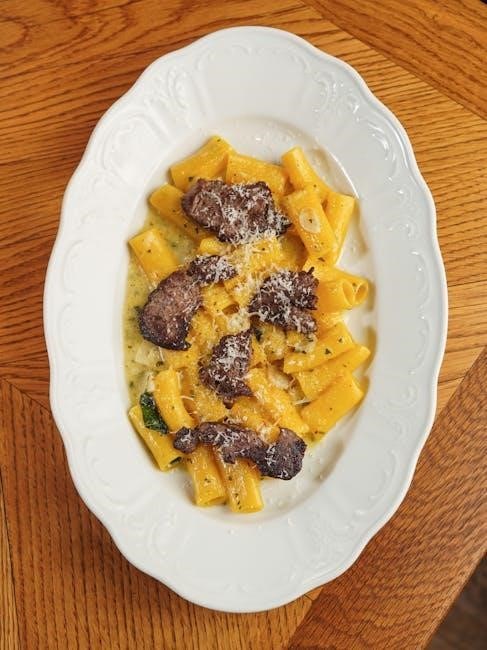
Continue whisking vigorously as the milk incorporates, allowing each addition to fully combine before adding more. The mixture will initially thicken, then gradually loosen as more milk is added. Patience is key here – don’t rush the process!
Cook for 5-7 minutes, whisking constantly, until the sauce thickens enough to coat the back of a spoon. This creates a velvety base ready to embrace the star ingredient: Beecher’s Flagship cheese.
Incorporating the Cheese: Melting and Blending
Reduce the heat to low and begin adding the grated Beecher’s Flagship cheese, about a handful at a time. Gently stir until each addition is fully melted and incorporated into the sauce before adding more. Avoid high heat, as it can cause the cheese to separate and become grainy.
Continue this process until all 8-14 ounces of cheese are melted, resulting in a luxuriously smooth and creamy cheese sauce. Stir constantly to ensure even melting and prevent sticking. The sauce should be thick enough to cling to the pasta.
Taste and adjust seasoning as needed. The Flagship cheese is flavorful, but a pinch of salt and pepper can enhance the overall taste. Now, you’re ready to combine with the perfectly cooked penne!
Tips and Tricks for Success
Achieving mac and cheese perfection requires patience and attention to detail, ensuring a smooth, creamy texture and balanced flavor profile every single time.
Mastering these techniques will elevate your Beecher’s experience, transforming a simple dish into a truly unforgettable culinary creation.

Preventing a Grainy Sauce
A grainy mac and cheese sauce is a common pitfall, but easily avoidable with a few key techniques. The primary culprit is often overheating the cheese, causing its proteins to seize up and separate.
To combat this, incorporate the grated Beecher’s Flagship cheese gradually, adding small handfuls at a time and stirring constantly until fully melted and blended before adding more.
Maintain a low to medium heat throughout the cheese-melting process. Avoid boiling the sauce, as high temperatures exacerbate graininess.
If graininess does occur, a splash of milk or even a tiny bit of cream cheese can sometimes help to re-emulsify the sauce, restoring its smooth consistency. Remember, gentle heat and gradual incorporation are your allies!
Adjusting Cheese Quantity for Flavor
Beecher’s Flagship cheese is the star, but personal preference dictates the perfect amount! The standard recipe calls for around 8-14 ounces, but feel free to experiment.
For a mildly cheesy mac and cheese, stick closer to 8 ounces. If you crave an intensely flavorful experience, increase the quantity to 14 ounces or even slightly more.
Remember that Beecher’s Flagship is a robust cheese, so a little goes a long way. Adding too much can overwhelm the other flavors.
Consider the type of cheddar used if supplementing; sharper cheddars require less quantity. Taste as you go, adjusting the cheese until you achieve your desired level of cheesiness and flavor balance.
Enhancing Flavor with Seasoning
While Beecher’s Flagship cheese provides a significant flavor base, strategic seasoning elevates the mac and cheese to new heights. Freshly ground black pepper is a classic addition, complementing the cheese’s sharpness.
A pinch of nutmeg subtly enhances the creamy texture and adds warmth. Garlic powder or a touch of onion powder can introduce savory depth, but use sparingly to avoid overpowering the cheese.
For a hint of spice, consider a dash of cayenne pepper or a pinch of smoked paprika.
Taste frequently and adjust seasoning to your preference. Remember, seasoning is about balance – enhancing, not masking, the delicious cheese flavor.
Variations and Additions
Beecher’s Mac and Cheese serves as a fantastic base for customization! Explore additions like crispy breadcrumbs, sautéed vegetables, or a sprinkle of your favorite spices.
Adding Breadcrumbs for Texture
Enhancing Beecher’s Mac and Cheese with a textural contrast is easily achieved through the addition of breadcrumbs. Panko breadcrumbs are particularly recommended for their superior crispness, offering a delightful counterpoint to the creamy sauce.
To prepare, melt a tablespoon or two of butter in a separate pan and toss with approximately half a cup of panko breadcrumbs. Toasting the breadcrumbs until golden brown and fragrant is crucial for maximizing flavor and crunch.
Sprinkle the toasted breadcrumbs generously over the finished mac and cheese, either directly onto the serving dish or before a final brief bake to meld the flavors. This simple addition elevates the dish, providing a satisfying textural element that complements the richness of Beecher’s Flagship cheese.
Incorporating Vegetables
Elevating Beecher’s Mac and Cheese with vegetables introduces freshness and nutritional value to this comforting classic. Broccoli florets, roasted butternut squash, or sautéed spinach are excellent choices, complementing the cheese’s rich flavor.
For optimal integration, pre-cook the vegetables until tender-crisp. Roasting vegetables intensifies their sweetness, while blanching or sautéing maintains a vibrant color and texture. Add the cooked vegetables to the mac and cheese during the final stages of cheese incorporation.
Gently stir to distribute evenly, ensuring the vegetables are coated in the creamy sauce. This addition transforms Beecher’s Mac and Cheese into a more balanced and wholesome meal, without compromising its signature indulgence.
Spice it Up: Pepper and Other Seasonings
Enhancing Beecher’s Mac and Cheese with seasonings elevates its flavor profile beyond the creamy cheese base. Freshly ground black pepper is a classic addition, providing a subtle warmth and complexity that balances the richness.
Beyond pepper, explore other seasonings to personalize your dish. A pinch of nutmeg adds a delicate, aromatic note, while a dash of cayenne pepper introduces a gentle heat. Smoked paprika can impart a smoky depth, complementing the Flagship cheese’s nuanced flavor.
Season judiciously, tasting as you go, to achieve the perfect balance. Remember, Beecher’s Mac and Cheese is already flavorful, so subtle enhancements are often more effective than overpowering additions.
Serving and Storage
Beecher’s Mac and Cheese is best enjoyed immediately, warm and creamy. Leftovers can be refrigerated for up to three days, maintaining deliciousness!
Optimal Serving Temperature
Beecher’s Mac and Cheese truly shines when served at the perfect temperature – warm, but not scalding. Ideally, aim for a serving temperature between 160°F and 170°F (71°C and 77°C). This allows the Flagship cheese to maintain its creamy, melty texture, and the flavors to fully bloom on your palate.
Serving it too cool diminishes the luxuriousness of the sauce, while serving it too hot can mask the nuanced flavors of the cheese. A quick visual cue is to look for a slightly glossy sheen on the surface, indicating optimal warmth. Consider pre-warming your serving bowls to help maintain the temperature for a more enjoyable dining experience. Don’t let this masterpiece cool down!
Storing Leftover Mac and Cheese
Beecher’s Mac and Cheese is best enjoyed fresh, but leftovers can be stored properly to retain some of its deliciousness. Allow the mac and cheese to cool completely before transferring it to an airtight container. This prevents condensation, which can lead to a soggy texture.
Refrigerate promptly, and it will generally stay good for up to 3-4 days. To prevent drying, press a piece of plastic wrap directly onto the surface of the mac and cheese before sealing the container. Freezing is also an option, though the texture may change slightly upon thawing. Properly stored, leftovers offer a convenient and comforting treat later!
Reheating for Best Results
Reheating Beecher’s Mac and Cheese requires a gentle approach to restore its creamy texture. Avoid high heat, which can cause the sauce to separate and become grainy. The oven is often preferred; cover the dish with foil and bake at 350°F (175°C) until heated through, about 20-25 minutes.
Alternatively, you can microwave it in short intervals, stirring frequently, adding a splash of milk or cream to maintain moisture. A skillet on low heat, with occasional stirring, also works well. The goal is to gently warm the mac and cheese without overcooking the cheese, ensuring a delightful and comforting experience.