





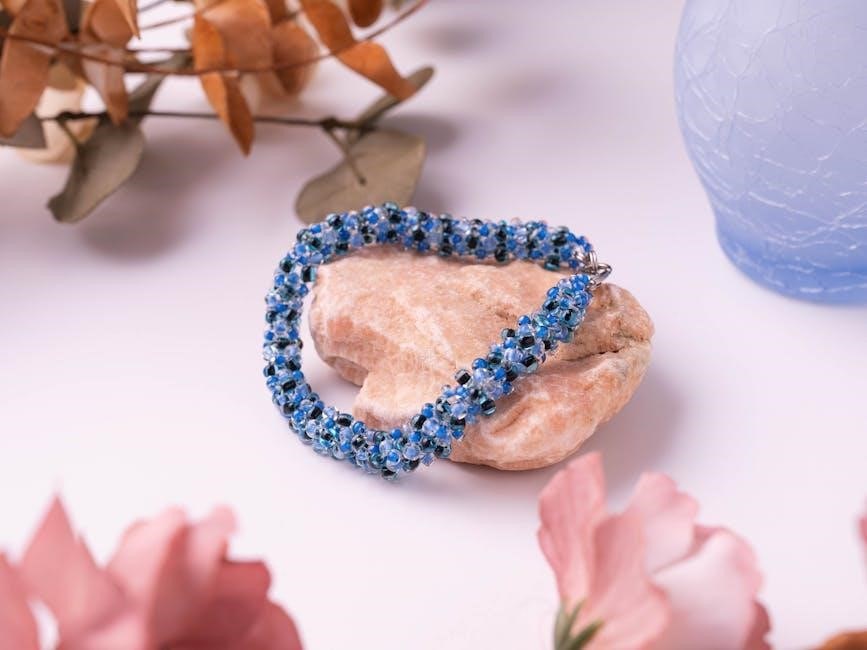
Boondoggle tutorials offer a delightful entry into the world of crafting, showcasing techniques for creating keychains and beyond with plastic lacing.
These guides, including box knot and double spiral tutorials, revive a traditional camp craft, perfect for beginners and experienced crafters alike.
Explore step-by-step instructions and videos to master fundamental knots and unlock creative potential in this accessible and rewarding hobby.
What is Boondoggling?
Boondoggling is a captivating craft involving the creation of decorative objects by knotting cords or lacing, traditionally using materials like gimp or Rexlace.
Often associated with summer camps and scouting activities, it’s a surprisingly versatile art form, capable of producing everything from simple keychains to intricate bracelets.
The core technique revolves around repeatedly tying specific knots – most notably the box knot – to build up patterns and designs, offering a relaxing and creative outlet.
Modern tutorials demonstrate how to make practical and stylish items, breathing new life into this classic pastime.
History of Boondoggling and its Modern Revival
Boondoggling’s roots trace back to the early 20th century, gaining popularity during the 1920s and 30s as a recreational activity, particularly within scouting organizations and summer camps.
The term itself gained notoriety during a political scandal, ironically associating it with perceived wasteful projects.
However, the craft endured, experiencing a significant modern revival fueled by online tutorials and a renewed interest in handmade crafts.
Today, platforms showcase diverse techniques, inspiring a new generation of boondoggle enthusiasts.
Essential Materials for Boondoggle Projects
Boondoggle tutorials require minimal supplies: plastic lacing (gimp, rexlace), scissors for precise cuts, and clips to secure your work during knotting processes.
Types of Lacing Cord (Gimp, Rexlace, Plastic Lace)
Boondoggle tutorials frequently utilize various lacing cords, each offering unique textures and aesthetics. Gimp, a classic choice, provides a softer feel, while Rexlace is known for its durability and vibrant colors.
Plastic lace, the most common option, is readily available and affordable, making it ideal for beginners. The choice depends on the desired project outcome and personal preference, influencing the final look and feel of your creations.
Experimenting with different types enhances the crafting experience.
Tools You’ll Need: Scissors, Clips, and Work Surfaces
Boondoggle tutorials require minimal tools, making it an accessible craft for all ages. Sharp scissors are essential for cleanly cutting the lacing cord to the desired lengths. Clips, often binder or paper clips, are invaluable for securing strands during knotting, maintaining tension and organization.
A stable work surface, like a table or clipboard, provides a comfortable base for your projects. These simple tools are all you need to begin creating!

Basic Boondoggle Knots and Techniques
Boondoggle tutorials emphasize the box knot as a foundational element, alongside initial knotting methods and understanding the plus sign configuration for starting projects.
The Box Knot: A Fundamental Building Block
The box knot is central to many boondoggle tutorials, serving as the core stitch for countless designs. It’s created by repeatedly tying simple overhand knots with multiple strands.
Tutorials demonstrate how to consistently form these knots, building upon each other to create a sturdy, interwoven structure. Mastering this knot unlocks the ability to craft keychains, bracelets, and more.
Beginners often start with the box knot due to its simplicity, and it forms the basis for more complex patterns and techniques explored in advanced tutorials.
Starting a Boondoggle Project: Initial Knotting Methods
Boondoggle tutorials often begin with preparing the lacing cord – typically cutting strands to around 48 inches, depending on the project’s size. A crucial first step involves folding the strands in half and securing them with a clip.
This creates a “plus sign” configuration, the foundation for initial knotting. Tutorials emphasize forming a starting knot, ensuring it’s tight but not overly stressed, to prevent unraveling.
Consistent tension is key for a neat and even beginning to your boondoggle creation.
Understanding the Plus Sign Configuration
Boondoggle tutorials consistently highlight the “plus sign” as a fundamental starting point. This configuration, created by layering two equal-length strands and crossing them at the center, forms the basis for many knots.
It’s essential that the strands are aligned evenly to maintain symmetry throughout the project. The intersection point becomes the anchor for the initial box knot, dictating the overall structure.
Mastering this setup is crucial for successful boondoggling.

Popular Boondoggle Keychain Tutorials
Boondoggle tutorials frequently feature keychain projects, including box knot, lobster clasp, and double spiral designs, offering practical and creative crafting options.
These tutorials provide accessible starting points for beginners and inspire more complex creations.
Box Knot Keychain Tutorial: Step-by-Step Guide
Begin with two strands of lacing, each approximately three feet long, and form a plus sign by crossing them at the center.
Secure the intersection with a starting knot. Then, systematically create box knots by looping each strand over and under the others, repeating this process consistently.
Continue knotting, maintaining even tension, until the desired keychain length is achieved;
Finish by creating a loop for the keychain ring and securing it with a final knot, ensuring a durable and stylish accessory.
Practice makes perfect!
Lobster Clasp Keychain Tutorial: Adding a Functional Element
To incorporate a lobster clasp, begin by creating a boondoggle base using the box knot technique, achieving your preferred length and color pattern.
Next, carefully thread the lacing through the eye of the lobster clasp, ensuring a secure fit.
Create a series of tight knots around the clasp’s base, reinforcing its attachment to the boondoggle weave.
Finish by concealing the knot ends within the weave for a clean, professional look, resulting in a practical and stylish keychain.
Double Spiral Keychain Tutorial: Creating Complex Designs
Embark on crafting a double spiral keychain by starting with four strands of lacing, arranged in a plus sign configuration—a foundational step.
Utilize the box knot, but alternate the direction of each knot to initiate the spiral effect, building layers with precision.
Maintain consistent tension throughout the process to ensure a uniform and visually appealing spiral formation.
Experiment with color combinations to enhance the design, culminating in a unique and intricate boondoggle keychain.

Intermediate Boondoggle Techniques
Expand your skills with techniques like the Rabbit Ears (Butterfly) Stitch, adding complexity to projects.
Explore vibrant patterns by strategically incorporating color changes throughout your boondoggle creations.
Master these methods to elevate your designs beyond basic keychains and into more intricate crafts.
Rabbit Ears Stitch (Butterfly Stitch): Expanding Your Skillset
The Rabbit Ears Stitch, also known as the Butterfly Stitch, introduces a beautiful textural element to your boondoggle projects, moving beyond the simple box knot.
To begin, use two strands of equal length and secure them with an initial knot. This stitch involves creating loops that resemble rabbit ears or butterfly wings, adding dimension.
Carefully manipulate the strands to form these loops, ensuring consistent tension for a neat appearance. Mastering this technique unlocks more complex patterns and designs, significantly expanding your boondoggling capabilities.
It’s a fantastic step towards creating visually appealing and unique boondoggle creations.
Creating Patterns with Color Changes
Introducing color changes elevates boondoggling from simple crafts to vibrant works of art, adding visual interest and personalization to your projects.
Begin by cutting multiple strands of lacing in different colors, planning your desired pattern beforehand. Integrate new colors during the knotting process, seamlessly blending hues.
Strategic color placement can create stripes, chevrons, or even intricate designs. Experiment with contrasting and complementary colors for striking effects;
This technique allows for endless creativity, transforming basic knots into eye-catching and unique boondoggle masterpieces.
Advanced Boondoggle Projects
Elevate your skills with multi-strand techniques and intricate bracelet designs, moving beyond keychains to explore complex boondoggle creations.
Challenge yourself with advanced patterns and innovative knot combinations for truly unique and impressive projects.
Multi-Strand Boondoggling: Increasing Complexity
Venturing into multi-strand boondoggling dramatically increases the intricacy and visual appeal of your projects. Utilizing more than two strands of lacing simultaneously allows for bolder designs and more textured finishes.
This technique demands careful management of the increased cord volume, requiring precise knotting to maintain shape and prevent tangling. Experiment with varying strand counts and color combinations to achieve unique effects.
Mastering this skill unlocks the potential for creating truly stunning and complex boondoggle pieces, pushing the boundaries of traditional designs.
Boondoggle Bracelets: Beyond Keychains
Expanding beyond the classic keychain, boondoggling lends itself beautifully to creating vibrant and personalized bracelets. This opens a new realm of creative possibilities, allowing for wider and more elaborate designs.
Bracelet construction often involves adapting existing keychain techniques, like the box knot, and extending them to achieve the desired length and width for wrist wear.
Consider incorporating closures like adjustable knots or clasps for a secure and comfortable fit, transforming simple lacing into fashionable accessories.
Troubleshooting Common Boondoggle Issues
Addressing challenges like stretching lace and tangles is key to successful boondoggling. Careful handling and proper knotting prevent frustration and ensure durable crafts.
Preventing Stretching of Craft Lace
Maintaining tension while knotting is crucial; avoid pulling the lacing excessively tight, as this weakens the fibers and causes stretching over time. Consistent, moderate pressure yields stronger results.
Choosing higher-quality lacing cord can also minimize stretching. Consider the material – some plastics stretch more readily than others.
Additionally, storing finished boondoggles properly, avoiding prolonged exposure to heat or direct sunlight, helps preserve their shape and integrity, preventing unwanted deformation.
Dealing with Tangled Lacing Cord
Tangled lacing is a common boondoggling frustration! Gently separate strands instead of aggressively pulling, which can create tighter knots. Utilizing clips strategically during the process helps manage cord length and prevent excessive tangling.
Working on a smooth, clean surface minimizes friction and snagging.
If severe tangles occur, slowly and patiently unravel, potentially using a needle or pin to assist in loosening stubborn knots – patience is key!
Resources for Boondoggle Learners
Online video tutorials and websites provide accessible boondoggle instruction, while pattern libraries offer diverse designs for all skill levels, enhancing your crafting journey.
Online Video Tutorials and Websites
Numerous online platforms host valuable boondoggle tutorials, catering to diverse learning styles. Art Time Class on YouTube provides beginner-friendly guides, including box knot techniques and starting methods.
Beadaholique, though closing, previously offered instructional videos, while tagadanail demonstrates square scoubidou creation. These resources visually break down complex knots, making learning easier.
Exploring these websites and channels unlocks a wealth of knowledge, accelerating skill development and inspiring creative projects within the boondoggling community.
Boondoggle Pattern Libraries
While dedicated, centralized boondoggle pattern libraries are emerging, the current landscape relies on scattered resources. Online tutorials often showcase specific designs, like lobster clasp keychains and double spirals, acting as mini-patterns.
Camp counselor-shared knowledge and individual crafter creations contribute to a growing collection of informal patterns. Exploring online forums and social media groups reveals unique designs.
Further development of organized pattern collections would greatly benefit the boondoggling community, fostering creativity and skill advancement.
Boondoggling for Different Skill Levels
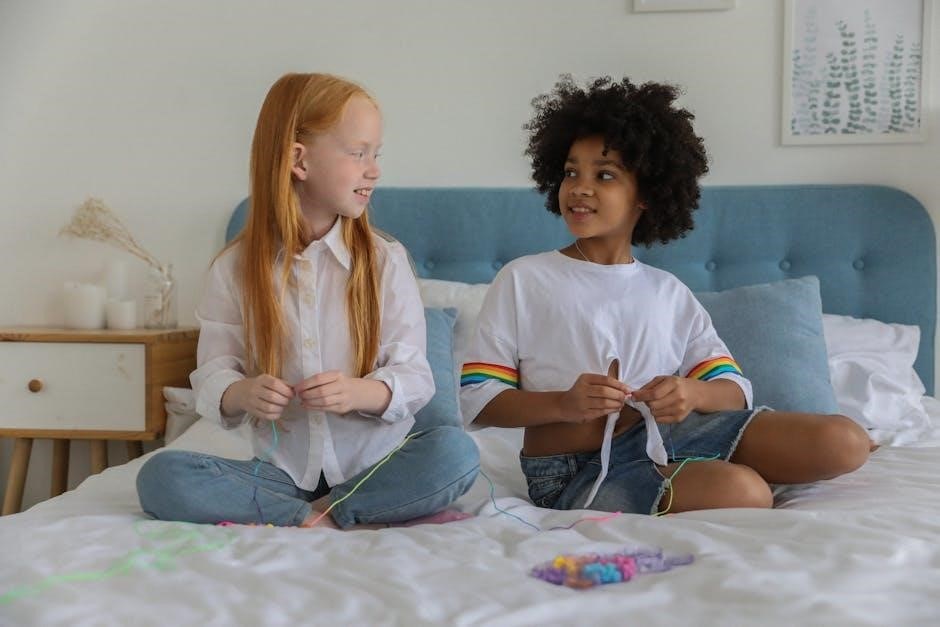
Boondoggling caters to all abilities, from simple beginner keychains utilizing basic box knots to complex, multi-strand bracelets for advanced crafters.
Progressive tutorials build skills, enabling creation of increasingly intricate designs and personalized projects.
Beginner Projects: Simple Designs for Newbies
Embark on your boondoggling journey with easy projects like the classic box knot keychain, a fantastic starting point for mastering fundamental techniques.
Begin with two strands of lacing, forming a plus sign and consistently knotting to build the design; tutorials demonstrate this clearly.
These initial projects focus on repetition and building muscle memory, preparing you for more complex patterns and color changes later on.
Simple designs instill confidence and a sense of accomplishment, encouraging further exploration of this rewarding craft.
Intermediate Projects: Building on Basic Skills
Elevate your boondoggling skills by tackling projects that introduce new techniques, such as the rabbit ears stitch – also known as the butterfly stitch.
Experiment with incorporating color changes to create visually appealing patterns and designs, adding a personalized touch to your creations.
Lobster clasp keychains offer a functional element, requiring precise knotting and attention to detail for a secure attachment.
These projects build upon the foundation of basic knots, fostering creativity and problem-solving abilities.
Advanced Projects: Challenging and Creative Designs
Push your boondoggling boundaries with multi-strand projects, significantly increasing complexity and requiring meticulous knot control for intricate weaves.
Transition beyond keychains by crafting boondoggle bracelets, demanding precise measurements and consistent tension throughout the entire process.
Explore innovative patterns and experiment with unique color combinations to showcase your artistic flair and technical mastery.
These advanced endeavors demand patience and precision, resulting in truly stunning and personalized creations.
Boondoggling as a Craft for Camps and Groups
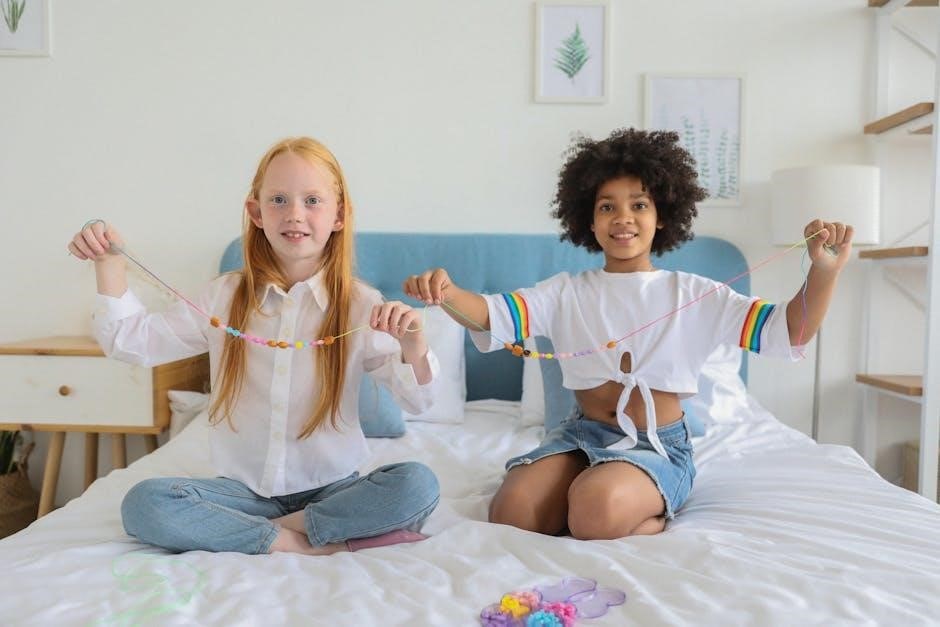
Boondoggling thrives in group settings, like summer camps, offering a traditional and collaborative activity for all skill levels to enjoy together.
Group projects foster teamwork and creativity, allowing campers to learn and share techniques while crafting unique boondoggle creations.
Boondoggling at Summer Camp: A Traditional Activity
For generations, boondoggling has been a cornerstone of the summer camp experience. Counselors share skills, guiding campers through basic knots like the box knot, fostering patience and fine motor skills.
It’s a screen-free activity encouraging social interaction and creative expression, resulting in personalized keychains and bracelets.
Many campers request learning gimp techniques, demonstrating its enduring appeal as a classic, hands-on craft, and a cherished camp memory.
Group Boondoggle Projects: Collaborative Crafting
Boondoggling lends itself beautifully to group activities, fostering teamwork and shared creativity. Larger projects, like collaborative bracelets or wall hangings, become achievable with combined effort.
Participants can contribute different color sections or knotting patterns, resulting in unique, multi-authored pieces.
This collaborative approach enhances the social aspect of crafting, making it ideal for clubs, classrooms, or family gatherings, building lasting bonds through shared creation.
The Future of Boondoggling
Boondoggling evolves with modern adaptations and digital tutorials, blending tradition with innovation. New techniques and designs emerge, ensuring this craft remains vibrant and accessible.
Modern Adaptations and New Techniques
Contemporary boondoggling transcends traditional keychains, embracing diverse applications like bracelets and decorative items. Crafters are experimenting with color gradients and multi-strand techniques, elevating designs.
Online platforms showcase innovative patterns and tutorials, fostering a collaborative community. The integration of digital design tools allows for pre-visualization and complex pattern creation.
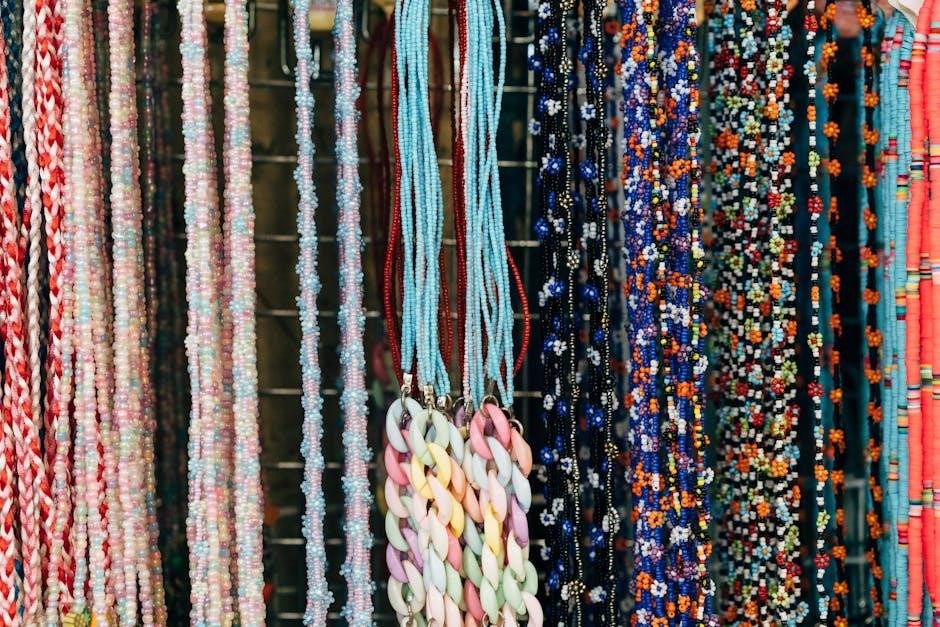
Furthermore, artisans are incorporating beads and charms, personalizing projects and expanding the aesthetic possibilities of this timeless craft, ensuring its continued relevance.
Boondoggling in the Digital Age
The internet has revolutionized boondoggling, providing access to a wealth of tutorials and pattern libraries. Platforms like YouTube and dedicated websites offer visual guides for every skill level, from beginner box knots to advanced techniques.
Social media fosters a vibrant community where crafters share creations, exchange tips, and inspire one another. Digital tools aid in pattern design and customization, expanding creative possibilities.
This accessibility ensures boondoggling’s enduring appeal and continued evolution.